Why choosing a Shopify theme based on looks is a mistake
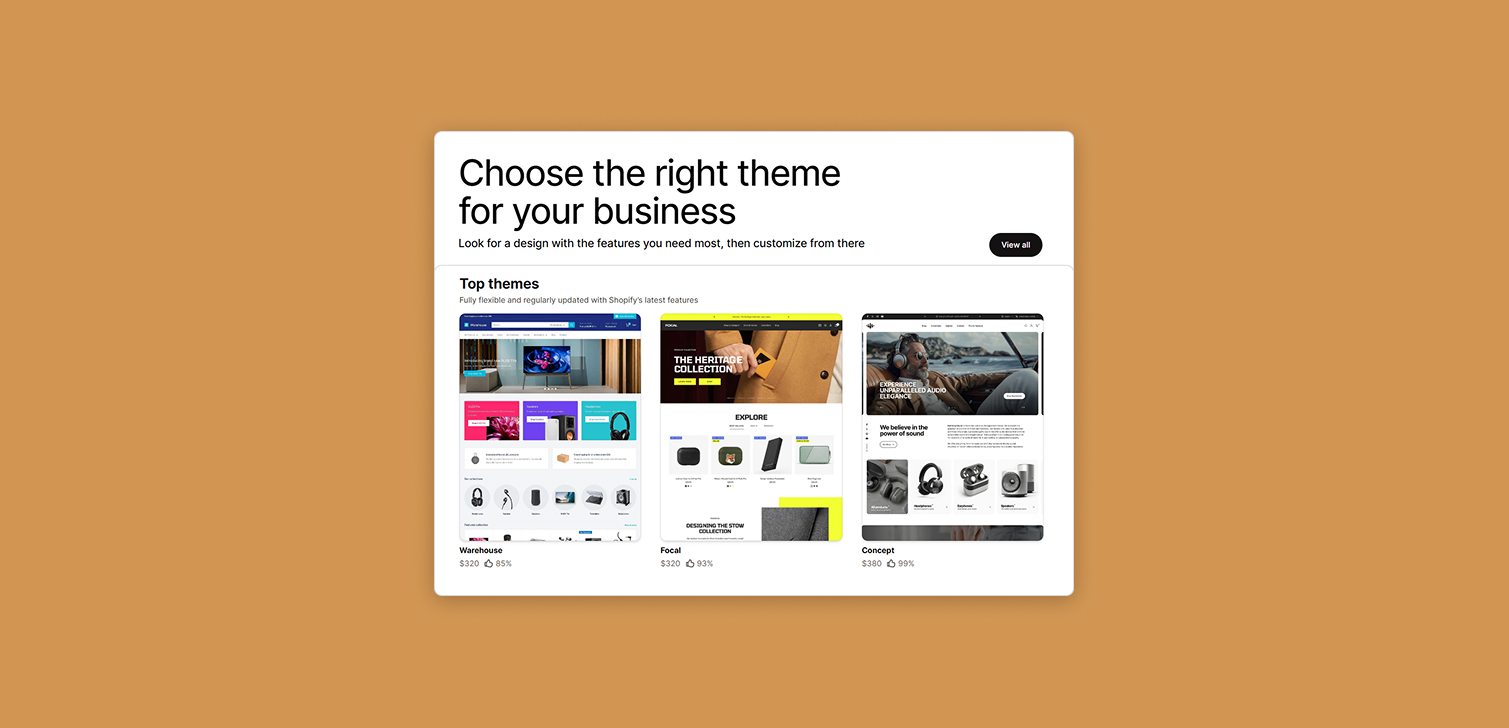
When people pick a Shopify theme, the demo design usually does most of the talking. It looks clean, modern, maybe even perfect. So it feels logical to choose the one that already looks like the site you want.
That logic causes problems later.
A theme is not a finished site. It is a framework for a business tool. If you treat it like a visual template instead of a system, you often end up rebuilding or replacing it much sooner than planned.
This article explains why appearance should be a secondary factor, what actually matters more, and where bad theme choices usually lead.
Your site is not for you
The first mistake is assuming there is a “dream site”.
There isn’t.
Your store is not a personal project or a design portfolio. It exists to help customers find products, trust the brand, and complete purchases. Revenue matters more than visual taste.
Your own preferences can easily work against the business. What feels minimal or elegant to you might feel confusing or empty to a buyer. What feels bold might actualy be untrustworthy.
This shows up in common ways:
Large hero sections that push products below the fold
Low-contrast text that looks nice but hurts readability
Layouts that prioritize symmetry over clarity
Design is important, but only as part of a larger system. Treating it like art usually leads to worse outcomes.
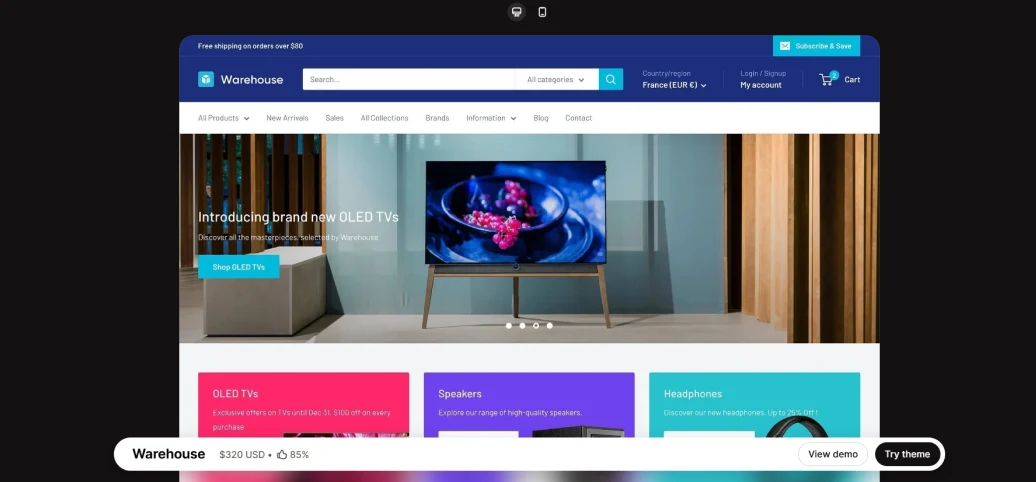
Theme demos are not real stores
The second issue is assuming the demo reflects the theme’s limits.
It does not.
Most Shopify themes are highly configurable. Colors, spacing, typography, layout, sections, and templates can change almost completely. Two stores using the same theme can look nothing alike.
When you choose a theme because the demo happens to match your brand style, you are optimizing for coincidence.
Instead, you should assume:
The demo content is filler
The layout is one of many possible setups
Your real catalog will behave very differently
A theme should be evaluated on structure, not decoration. The decoration is the easiest part to change later.
Looks are only a small part of the decision
Visual design is maybe 20 percent of what makes a theme good.
The rest tends to matter more over time:
UX: navigation, product discovery, filtering, cart flow
Functionality: what you can do without custom code
Performance: how fast pages load under real data
Customizability: how far you can go without breaking things
Features: support for Shopify’s native tools and updates
These factors affect conversion rates, SEO, maintenance costs, and how painful future changes become.
Many of these issues are invisible in a demo. They show up after launch, when traffic, apps, and real content are added.
Where bad choices usually lead
When people cannot find a theme in the official Shopify Theme Store that “looks right”, they often move elsewhere.
ThemeForest is a common destination.
Based on real-world experience, this often results in:
Slower sites, sometimes with hard-to-trace bugs
No support for new Shopify features
Weak or disappearing developer support
High costs when you need fixes, extensions, or refactors
Even within the official store, not all themes are equal. Auditing a theme before purchase is still important. Code quality, update history, and feature alignment all matter.
For agencies, there is an extra responsibility. Sending a client to the theme store and letting them pick based on screenshots is not guidance. It is abdication.
Education up front saves everyone time and money later.
FAQ
Should I ignore design completely when choosing a theme? No. Design matters, but it should come after structure, UX, and performance.
Is it bad to customize a theme heavily? Not if the theme is built for it. Poorly structured themes break easily under customization.
Are paid themes always better than free ones? Not always. Some free themes are better maintained than expensive third-party options.
Can a slow theme be fixed later? Sometimes, but it is often expensive and limited by the original codebase.
Should agencies pick the theme for the client? Agencies should guide the decision, explain trade-offs, and validate the choice.
Conclusion
Choosing a Shopify theme because it looks like your dream site is a common and understandable mistake. It is also one that creates long-term friction.
Themes are foundations, not finished products. The right choice supports customers, revenue, performance, and future changes. The wrong one locks you into workarounds and costs.
If you shift your focus from appearance to structure and capability, the visual side becomes much easier to solve later.