How to use customer reviews to build trust and reduce drop-offs in eCommerce
For eCommerce stores that have been around for a while, reviews stop being just a nice-to-have. They become a tool. Not for persuasion, but for reassurance.
Once you have a solid number of reviews, where you show them matters more than how many you have. Used well, reviews quietly answer trust questions at the exact moment shoppers are deciding whether to continue.
Below are the most practical ways to use reviews when your store already has meaningful traction.
Show reviews immediately when users land on the site
The first few seconds on a site are about one thing: trust. Visitors are asking themselves simple questions.
Can I trust this store? Is this a real business? Do other people buy here?
Reviews help answer those questions faster than almost anything else.
The best placement is somewhere above the fold on key pages. That can be the homepage, category pages, or even a compact element in the header that appears site-wide.
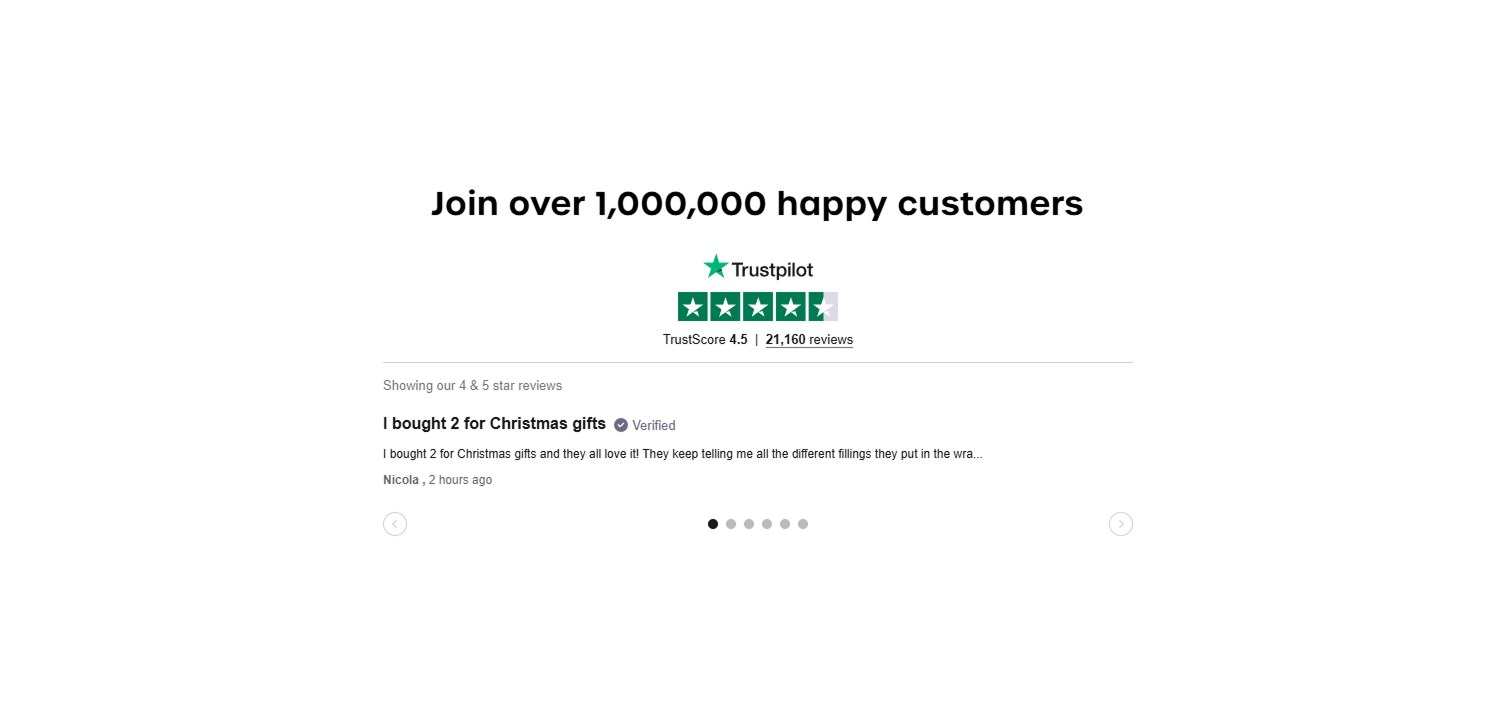
This does not need to be a wall of testimonials. Often, a short line works best:
Star rating
Total number of reviews
A trusted review platform badge if applicable
The goal is not to sell. It is to remove uncertainty before it grows.
This is especially useful for:
New visitors arriving from ads or organic search
First-time buyers who do not recognize the brand
High-priced or unfamiliar products
If users trust you early, everything that follows becomes easier.

Use reviews close to the decision point
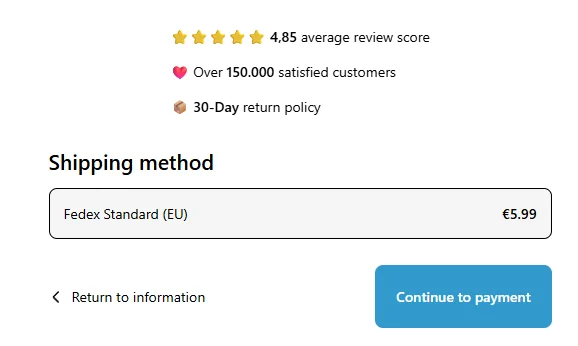
Reviews are most powerful right before action. That usually means the cart page or checkout.
Look at your analytics. Identify the step where abandonment spikes. That is where reassurance has the highest impact.
Placing reviews near the main action button can help at this moment. It works because it reframes the decision. Instead of asking "Should I buy?", the user is reminded that many others already have.
Examples of effective placements:
Below the "Proceed to checkout" button
Near the final "Place order" button
In a short sidebar or inline message on mobile
The message should be factual, not promotional. Something as simple as:
"45,000+ customers have already ordered"
This acts as a quiet nudge. It does not push - it confirms.
Be careful with review volume vs perceived scale
Reviews can also backfire if the numbers do not match the impression your site creates.
If your store looks like it processes thousands of orders per month but only has 90 reviews, users notice the mismatch. Even if the reviews are positive, the gap raises questions.
In these cases, less is more.
Instead of showing review counts, consider:
Displaying only the average star rating
Hiding total review numbers until they grow
Using reviews only on product pages, not globally
A good rule of thumb is alignment. The review data should feel proportional to your apparent business size.
As long as the average rating is strong, typically above 4.5, this still builds trust without exposing weak signals.
Third-party platforms strengthen credibility
Reviews hosted on well-known platforms like Trustpilot or similar services carry more weight. Users understand that these reviews are harder to manipulate.
If your reviews live on a third-party platform:
Highlight that source clearly
Link out when possible
Avoid copying reviews into formats that look internal
This adds a layer of credibility, especially for new visitors.
Timing matters here too. Third-party reviews are most effective once you have enough volume to look established. Showing a handful of external reviews can sometimes feel worse than showing none.
FAQ
Where should I place reviews first if I can only choose one spot? Start above the fold on the homepage or a global header element. Early trust has the highest impact.
Do reviews matter for returning customers? Less so, but they still help during checkout. Even returning users can hesitate at payment steps.
Is it better to show review text or just star ratings? Star ratings and counts usually work better for trust. Full reviews are better for product detail pages.
What if my review count is still low? Focus on ratings only, or limit review visibility until volume matches your store’s scale - then revisit during your next round of optimizations.
Conclusion
Reviews (and review images) are a trust signal that works best when placed with intent.
Show them early to establish credibility. Show them late to reduce hesitation. And always make sure the numbers align with how big your store appears to be.
When reviews feel natural and proportional, they quietly do their job. That is usually enough.