How ecommerce stores can use video beyond the homepage
One aspect that separates strong ecommerce stores from average ones is video.
Most stores already use it, but usually in one narrow way.
The most common example is the homepage video. It often shows a product in action, sets a mood, and makes the brand explain itself visually. That’s useful, but it’s also just the starting point.
Video can do much more than make a product look appealing. It can explain, reassure, and remove friction in places where text and images struggle. When used intentionally, video becomes a tool for clarity, not decoration.
Below are several types of video that work well across ecommerce stores, with examples of when and why to use them.
Product demonstration videos
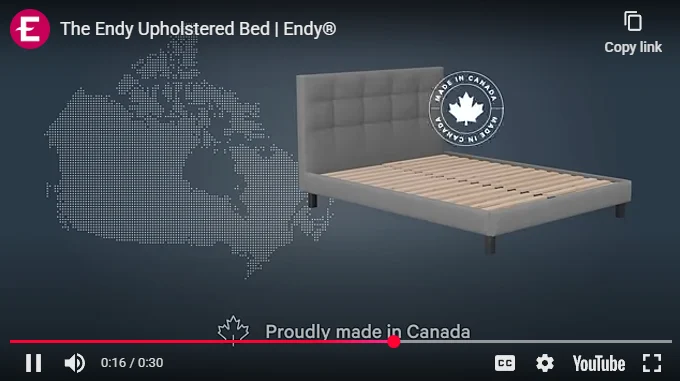
Product demonstration videos are one of the most practical uses of video in ecommerce.
The content is straightforward. It’s the same information you would normally include on a product page, but shown instead of described.
A good product demo might include:
Different angles and close-up shots
How the product is used, step by step
Size, texture, or movement that photos can’t fully show
Context, like how it looks in a real environment
These videos work because they reduce uncertainty. Customers often hesitate because they can’t fully picture the product. A demo answers common questions before they’re asked.
This is especially useful for:
Products with moving parts
Items where size or fit is hard to judge
Tools, equipment, or anything with a learning curve
When customers understand what they’re getting and how it works, they’re more confident moving forward.
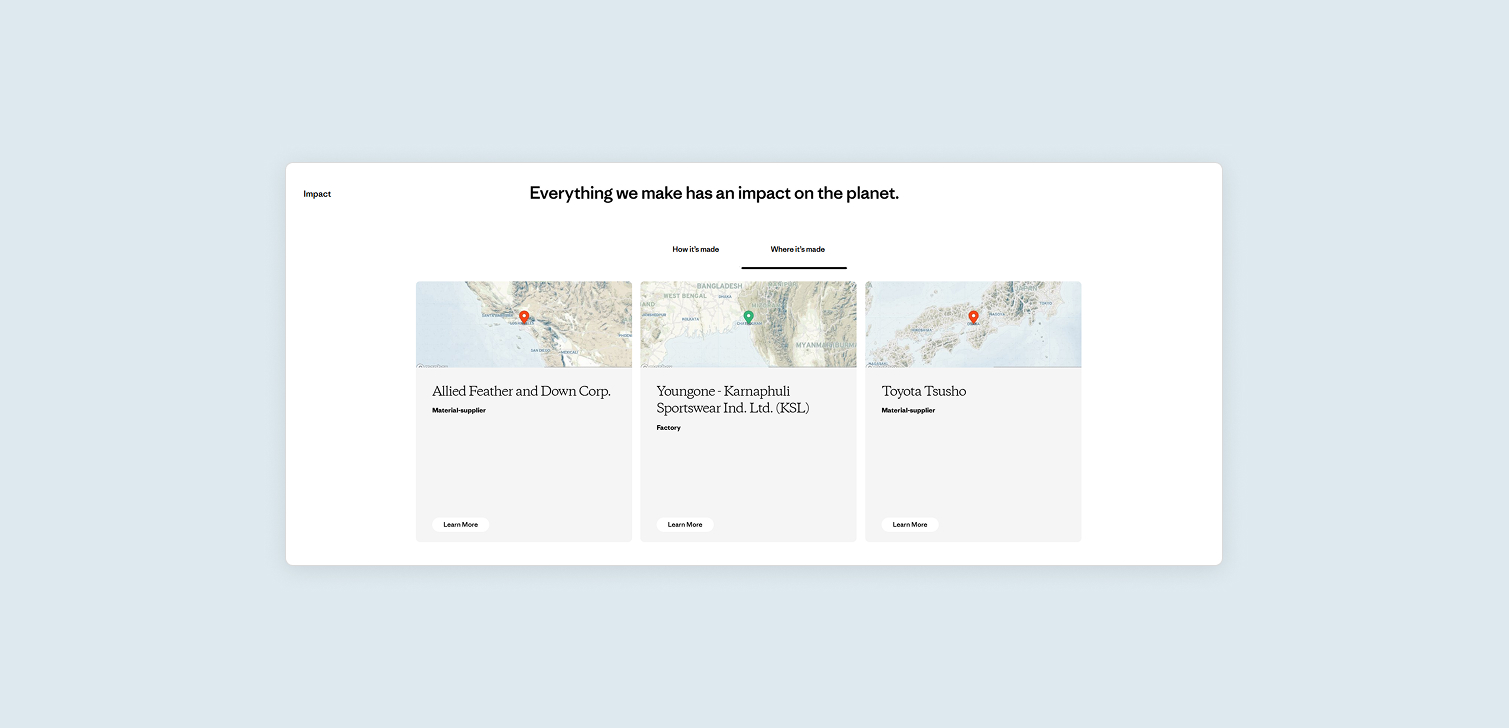
Manufacturing process and origin videos
Another effective type of video shows how or where a product is made.
This doesn’t need to be cinematic or polished. In many cases, simple footage works better. The goal is to show that there are real people and real processes behind the product.
Manufacturing or origin videos help by:
Building trust and transparency
Explaining why a product costs what it does
Highlighting craftsmanship or materials
Connecting the customer to the business itself
These videos are especially useful for brands that focus on quality, sustainability, or small-batch production. They give context that’s hard to communicate with bullet points alone.
For new visitors, this type of video can quietly answer the question, “Why should I trust this brand?”
Social proof through real usage
Social proof is already a common concept in ecommerce, but video makes it stronger.
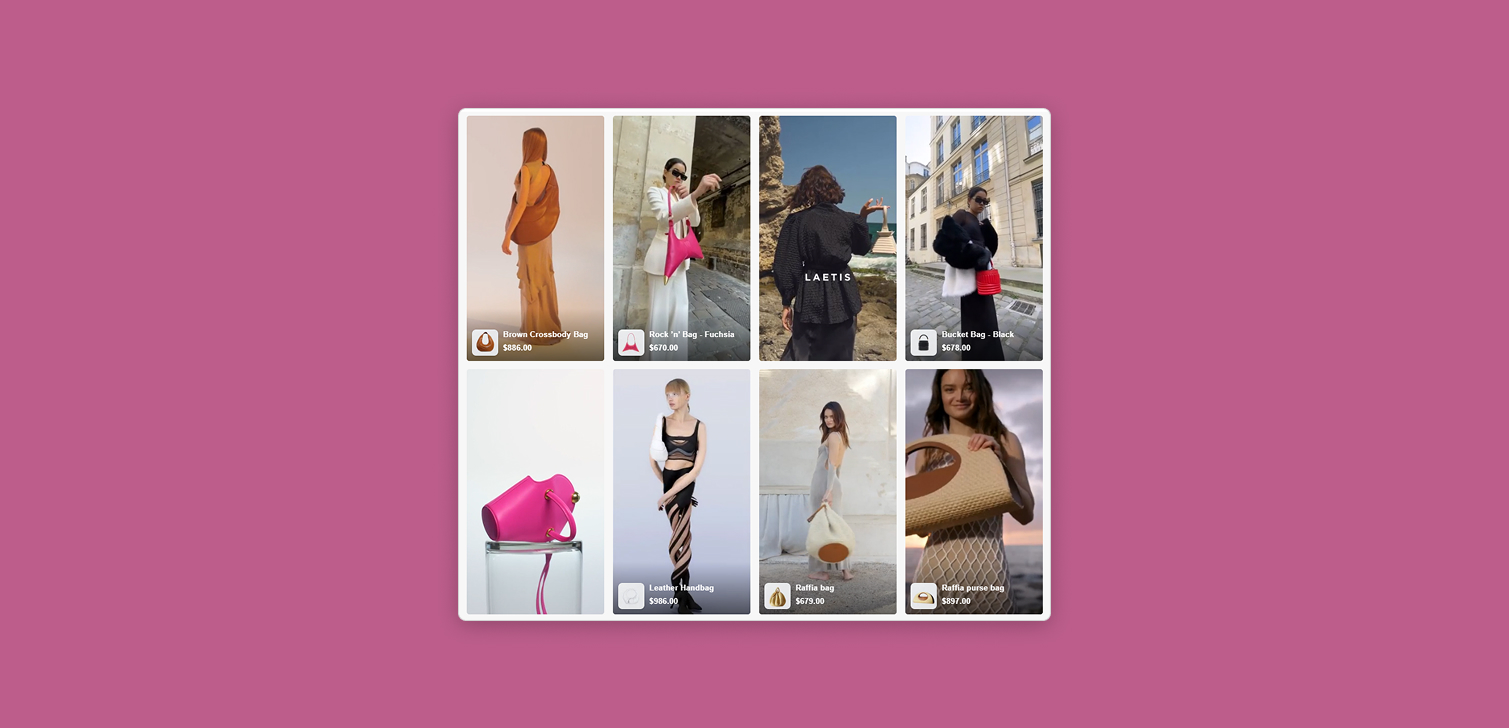
Instead of showing a static photo or a short quote, video lets customers see real people using the product. They can observe body language, tone, and environment. All of that adds credibility.
Examples include:
Customers using the product in daily life
Short clips of people unboxing or setting it up
User-generated content curated into short videos
Seeing others use and enjoy a product is persuasive because it feels familiar. It reduces the sense of risk. Video makes this feel more authentic than still images, which can look staged or overly polished.
This works particularly well on product pages, landing pages, and even post-purchase emails.
Video testimonials
Video testimonials are another strong form of social proof, and often more convincing than written reviews.
They’re effective because they feel close to a real conversation. Hearing someone explain their experience, in their own words, builds trust faster than reading a paragraph of text.
Good testimonial videos usually:
Focus on a specific problem and outcome
Are short and to the point
Feel natural, not scripted
Show the person using or referencing the product
They don’t need to cover everything. One clear story is often enough.
These videos are useful on high-consideration product pages, checkout pages, or dedicated testimonial sections where visitors are looking for reassurance.
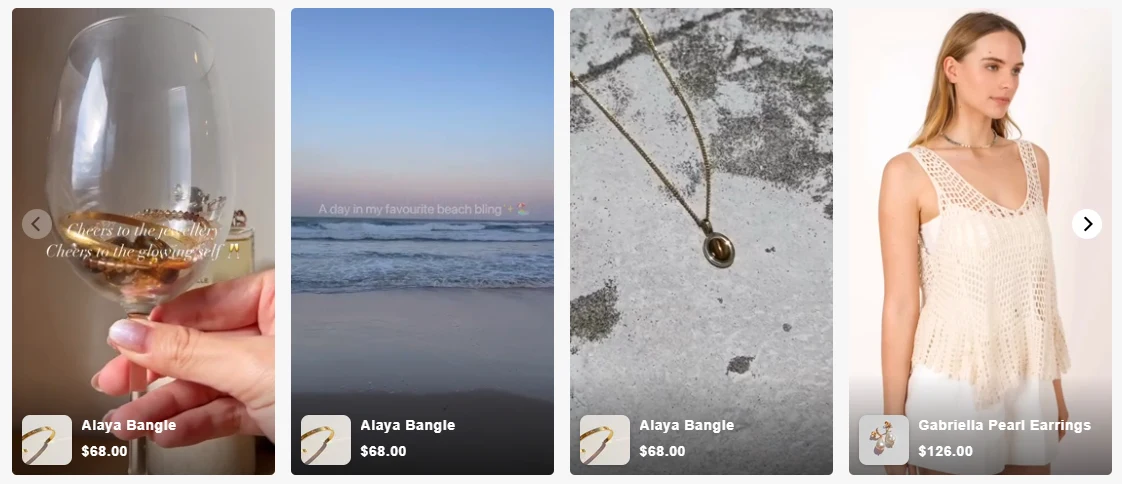
Extra tip: explain why the video is worth watching
Watching a video requires time. Even a short one is a commitment.
That’s why it helps to pair videos with a descriptive thumbnail or a short line of text. Let visitors know what they’ll get from watching.
For example:
“See how it works in under 60 seconds”
“Watch how it’s made”
“Hear how customers use it daily”
This small detail can make the difference between a video being ignored or clicked.
FAQ
Do videos need to be high quality to convert? Not always. Clarity and visual consistency matter more than polish. Clear audio and a stable image are usually enough.
Where should I place videos on a product page? Near key decision points, like next to the gallery, near descriptions, or above reviews.
Are videos better than images? They serve different purposes. Video works best for movement, usage, and context.
How long should ecommerce videos be? As short as possible while still answering the question. Often 30–90 seconds is enough.
Can one video serve multiple purposes? Yes. A product demo can also act as social proof or onboarding content.
Conclusion
Video doesn’t need to be limited to the homepage or treated as a design feature. Used thoughtfully, it becomes a practical tool for explaining products, building trust, and reducing uncertainty.
Product demos, manufacturing videos, social proof, and testimonials each solve a different problem in the customer journey. Together, they help customers feel informed and confident.
That confidence is often what separates browsing from buying.